In an effort to improve your experiences on our website we have updated our menu. Our new navigation makes it easier to find products, software, and content tailored to your industry or interest. We have also updated our contact and support section to better serve you.
0:59
Open path gas detectors provide continuous gas monitoring of toxic gases using line-of-sight technology, even in harsh environments where dust, fog, rain, snow or vibration can cause high amounts of obscuration. Toxic gases can be detected at low levels of concentration to help keep people and facilities safe. Rosemount open path toxic gas detectors utilize ultraviolet technology and have a long range detection of up to 200 ft. (60 m). Learn more at www.emerson.com/RosemountGasDetection.
In the demanding environment of Metals & Mining, operational continuity, safety, and cost control are critical. Emerson’s non-intrusive measurement solutions are designed to help you achieve these goals—without process shutdowns...
0:48
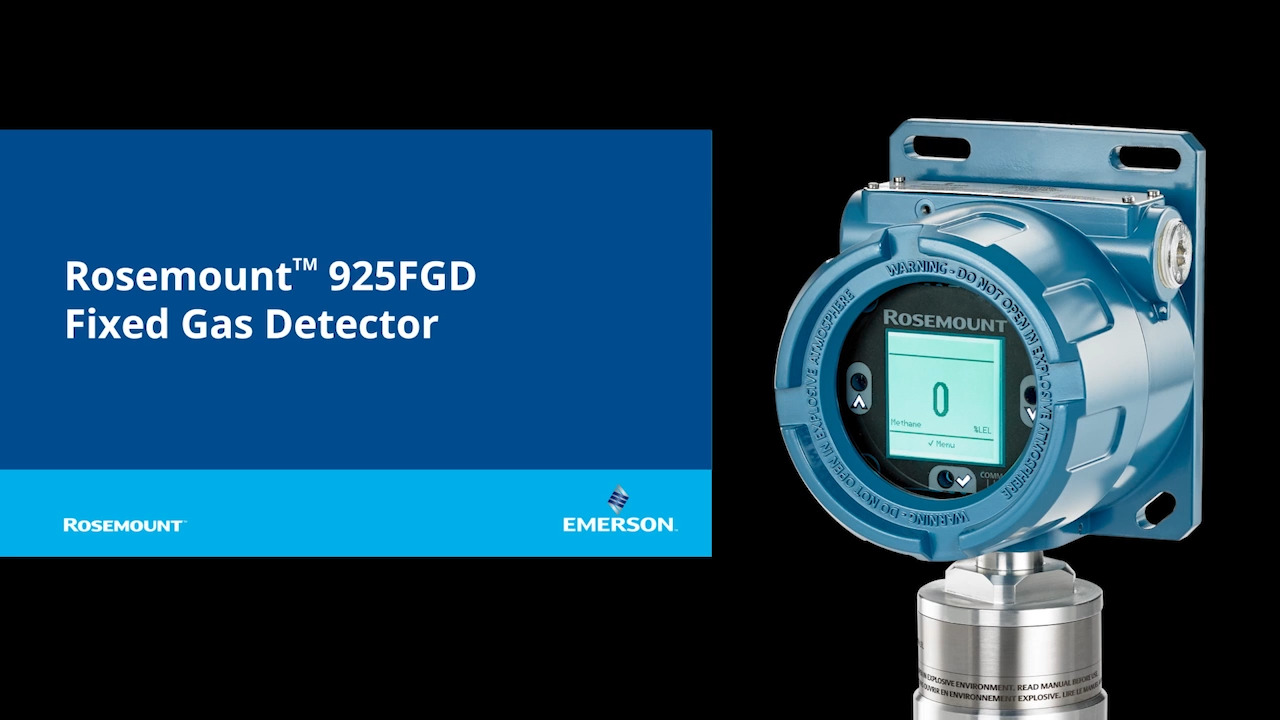
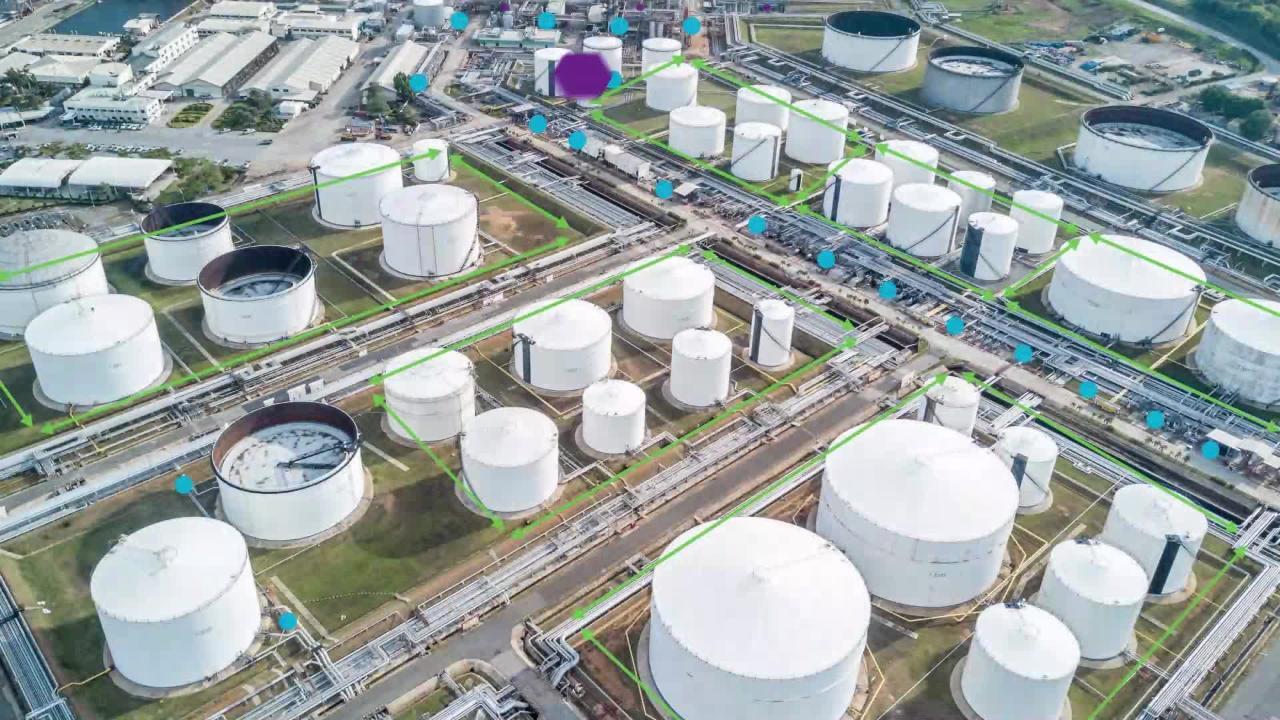
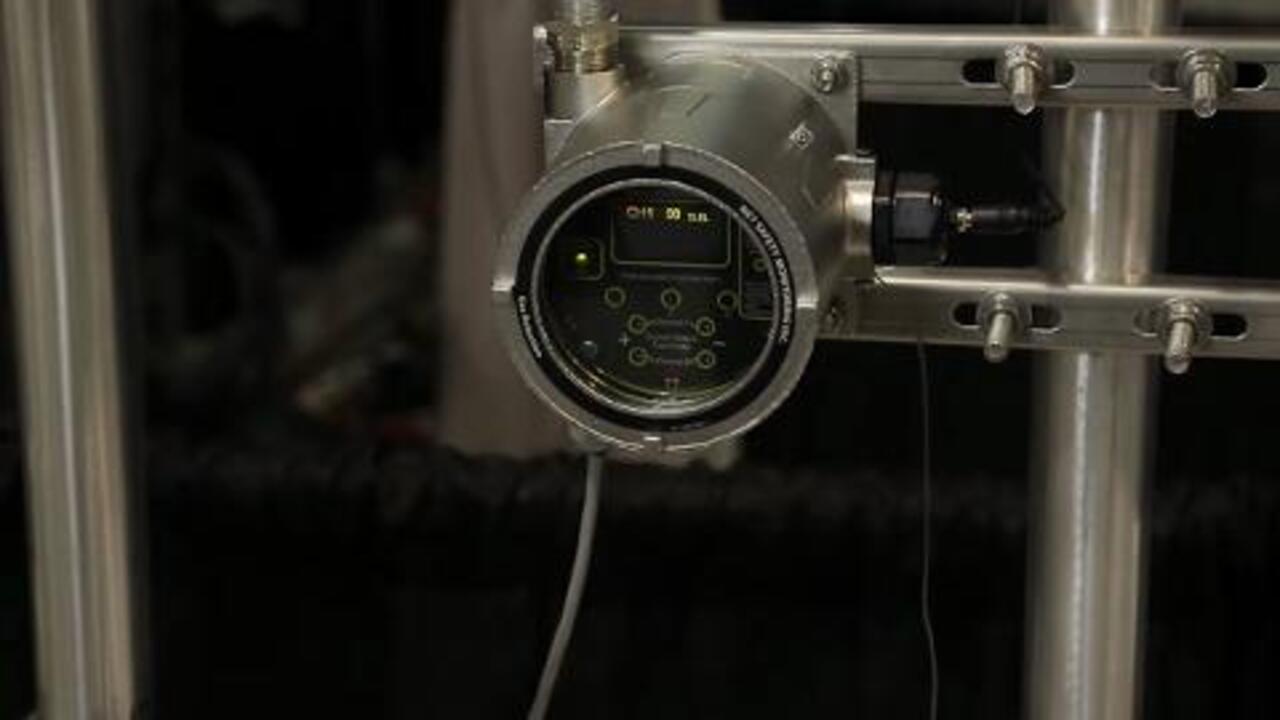
Learn about Emerson's new platform for wireless gas detection. In industries with toxic & combustible gases present, flame & gas detection products help safeguard critical assets, maintain a profitable operation & address operation safety concerns.
2:08
See how the Rosemount™ 625IR Fixed Gas Detector helps keep workers safe with ultra-fast response times to detect hydrocarbon gases before they can create dangerous situations...
1:07
Xavier D'Souza discusses the various flame and gas leak detection devices offered by Emerson. The 4 basic levels of detection are: 1) ultrasonic gas leak detection, 2) point-gas detection 3) flame detection and 4) smoke detection.
3:17
Rosemount 936 Open Path Toxic Gas Detectors provide continuous monitoring for toxic gases including hydrogen sulfide (H2S) gas or ammonia (NH3) gas. These toxic gas detectors work in harsh environments where dust, fog, rain, snow or vibration...
2:01
Hi, I’m Edward Naranjo with Emerson™. Many customers we talk to express concerns about protecting their plant and personnel from hazardous conditions and providing a rapid and coordinating operational responses to incidences.
1:52